
Welcome
Exporters of beautiful pashminas to USA, Canada, UK, Germany, Italy, France, Japan, Mexico, Brazil, Chile, Argentina, Venezuela, Austria, Holland, Finland, Ireland, Sweden, Switzerland, Spain, Russia, Denmark, Norway, Hong Kong, Philipines, Taiwan, Korea, Australia, New Zealand, Singapore, Malaysia, Thailand, Turkey, Iran, Dubai.......
CZYM JEST PASHMINA ?
Kozy z Himalajów
Słowo "paszmina" pochodzi od perskiego terminu "pashm" oznaczającego wełnę pewnego szczególnego gatunku kóz.
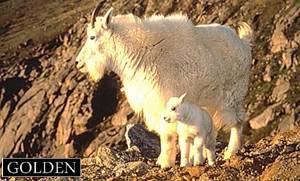
Kozy Chyangra żyją w jednym z najsurowszych regionów naszej planety, w górskich regionach Nepalu, Tybetu i Azji Centralnej, na wysokości powyżej 4500 metrów. Szata roślinna jest tam bardzo znikoma, wieją porywiste wiatry a temperatura dochodzi do -40°C. Swoje przetrwanie gatunek zawdzięcza niezwykłym właściwościom okrywy włosowej.
Sierść kozy Chyangra składa się z dwóch warstw. Górna, złożona ze sztywnego i szorstkiego włosia, dobrze chroni przed wiatrem. Dolna, niezwykle delikatny puch o niesamowitych właściwościach grzewczych, od stuleci dostarcza surowca na najbardziej pożądane szale świata.
Niezwykły włos
Włos pozyskiwany jest latem, gdy kozy schodzą z wyższych partii gór i tracą sierść, ocierając się o krzewy i skały. Sierść zbierana jest ręcznie i selekcjonowana. W ten sposób jedno zwierzę dostarcza rocznie ok. 180 g wełny, z czego do przetworzenia nadaje się zaledwie połowa. Trzy kozy dostarczają rocznie ilość surowca, z której dałoby się utkać niewielki szalik.
Włosie puchowe Chyangra jest bardzo cienkie - jego grubość wynosi 15 - 19 mikronów, czyli ok. siedem razy mniej niż grubość ludzkiego włosa. Zrobiony z niego szal bez trudu da się przeciągnąć przez pierścień.
Na przestrzeni wieków sztuka tkania szali była stale doskonalona, a na najwyższy poziom wynieśli ją tkacze z indyjskiego Kaszmiru. Niegdyś w tym regionie, podobnie jak i w Persji, szale były atrybutem męskim, wchodząc w skład tradycyjnego stroju ludowego. Kiedy Zachodnia Europa w XVIII w. dowiedziała się o istnieniu kaszmiru i szali kaszmirowych, nastąpił prawdziwy boom w modzie. Ponoć w czasach rewolucji francuskiej szale były tak popularne, iż w dobrym guście było obdarowywanie swej żony szalami, a kobiety na dworze monarchy rywalizowały między sobą w kwestii elegancji i wytworności, przywdziewając swe najpiękniejsze szale kaszmirowe. Na początku XVIII w. w Europie i Ameryce pojawiły się również pierwsze szale jedwabne z Chin. W późniejszych czasach weszły one w skład strojów ludowych w Niemczech, na Bliskim Wschodzie, w Ameryce Łacińskiej i Hiszpanii. Rozwój technik tkackich pozwolił znacząco obniżyć koszty produkcji szali, stąd w dzisiejszych czasach ponownie zyskują one na popularności.
Początki tkactwa
Na terenie Kaszmiru wyroby z delikatnego włosia himalajskich kóz wytwarzano przypuszczalnie już 3000 lat przed naszą erą. - był to wyrób godny królów i cesarzy, nosili je władcy
Ale paszmina, która stała się symbolem wyjątkowej jakości i luksusu, narodziła się w XV wieku. Wiedza technologiczna z India imperium, zdolności tkaczy z doliny India Kaszmiru i surowiec o unikalnych właściwościach połączyły się, owocując niespotykaną dotąd jakością. Wyroby z paszminy stały się bezcennymi skarbami, przekazywanymi z pokolenia na pokolenie.
Paszmina dociera do Europy
Upadek imperium Mogołów pod koniec XVIII w. spowodował znaczny spadek zapotrzebowania na luksusowe towary i bezrobocie wśród tkaczy z doliny Kaszmiru. Ale wtedy za pośrednictwem europejskich podróżników pierwsze wyroby z paszminy dotarły na Zachód, budząc powszechny zachwyt. Szal z wełny himalajskich kóz nosiła królowa Maria Antonina, podobny przyszła cesarzowa Józefina otrzymała w darze od Napoleona. Chusty z czystej paszminy nazywane "paryżankami" osiągały wartość równą kilku średnim rocznym pensjom
Wówczas powstał znany wzór "paisley" - orientalny deseń z kwiatów zgrupowanych w kształcie liścia, inspirowany oryginalnymi indyjskimi motywami.
W latach 70. XIX wieku zmieniająca się moda i kryzys ekonomiczny spowodowały, że paszminowe szale odeszły na wiele lat w zapomnienie. Kaszmirscy tkacze emigrowali do Punjabu i zaczęli wytwarzać produkty na użytek europejskich kolonizatorów i turystów.
Powrót paszminy
W 1998 roku Zachód odkrył paszminę na nowo,GOLDEN PASHMINA. Wtedy na wybiegach pojawiły się pierwsze modelki ubrane w paszminowe szale. Od tego czasu paszmina znów odzyskała należne jej uznanie, jako element garderoby o wyjątkowej jakości i uniwersalnym wyglądzie.
Too much confused and afraid of popularity of Pashmina as a thing of east and bugged by its undying demand some companies to make huge profits and confining the goods to their own registered CASHMERE as a trade mark item for their own use and benefits and to make it highly expensive out of reach of people as copyright and monopoly business defined their own defination as a thing of west and to restrict the entry of Pashmina into west by its own definations to make huge profits for a 100 USD pashmina shawl to sell at 1000 USD as cashmere without any value addition.
Increasingly sought-after by stylish women of all ages who recognize the elegance of these shawls - a well-chosen Pashmina can transform the simplest attire into the most chic ensemble - and appreciate their practicality and versatility as a snug muffler, coat or blanket. Most department stores and designers retail scarves woven from 100 percent genuine fiber or blended with silk. But beware of fake "ordinary wool" garments masquerading as pashmina on sale in less reputable shops. This luxurious accessory can also be purchased on the internet. We at Golden International sell pashmina through our online shoping website (http://www.pashminagolden.com). "A pashmina is worn close to the face and the color must suit each persons skin tone". The colors that are particularly fashionable this season are shades of purple; from pale lilac to a deep violet shade of prune. Pashmina trends this year are slightly ethnic embrodiery and pleats. Due to the timeless and seasonless versatility of the pashmina, many women opt for a classic color that can be worn season after season, perennial favorites include pink-pale shades through to bright fuchsia-butter yellow, white and, of course, jet black. It takes the wool from four and over 200 man-hours (spinning, weaving, dying and decorating,) to make just one pashmina shawl. Hand-spinning the wool for a single pashmina takes 15 days, so naturally the labor-intensive production is reflected in the price.
Pashmina Prices
The price of a Pashmina may range anywhere from a few hundred dollars to several thousands of dollars, depending upon the micron fineness and craftsmanship, rare fiber availability and time factor involved in its creation. International prices are 300-100 $ per pcs but we offer it at 50-300 $ as we are manufacturers, a factory direct out let, weavers with in plant complete manufacturing till finished product. We buy pashmina from pashmina rearers of goat in Tibet and Kashmir at the time of year when prices are lowest.
Choosing Pashmina
When choosing a pashmina it is important to check whether the piece is 100 percent pashmina or if it has been blended with silk. We recommend either 100 percent or a 70/30 percent silk blend. Prefer a 2-ply pashmina as it drapes well and it suitable for climate up to 2-3 degree. Below freezing temperatures, very old person, real warm envelope prefer a 4 ply pashmina or blanket. It is 4 times the weight of 1 ply. 1 ply is best for summers, with temperature 30 degree plus. Wear a pashmina according to your height. A 5 feet lady should wear a stole of 30x80 inches or 75x200 cms and up to 5.5 inches a shawl of 90x200 cms But taller one should buy a 125x250 cms. Since we have our own manufacturing unit we are able to sell the same top quality products at affordable prices. Please rest assured that no animals are harmed in the making of pashmina. Our pashmina shawls are remarkably soft and light, considering how much warmth they provide. Our customers tell us how much they love their shawls, and we know you will receive many compliments when you wear them
Kashmiri Haftowane
Kashmiri embroidery, called kasida, is varied, rich in colour and elaborate in details and exquisite in execution. The finest Kasida work in shawls has no 'wrong' side. Connoisseurs set great value to the embroidery that displays similar fineness of work on both sides of the shawl. The kasida pattern are drawn freely by the naqqash (the designer) mostly from memory. These are inspired by the sparkling lakes, the broad curves of the Jhelum, the breath- taking colours of the skies at sunrise and sunset over the mountains. The naqqash also draws upon poetic fancies and religious or philosophical themes, portraying them in the designs. The common motifs include floral borders, paisley, chinar leaves and buta cones. The softer-than-Cashmere texture, the wool which grows soft with use, the countless hours of painstaking work that go into making each shawl, make the fabric very special. The Pashmina has a superbly textural feel, drapes beautifully, feels soft, warm and light to the touch and will serve a user well for years. Its timeless patterns remain eternally in vogue. In the Indian sub- continent, Pashmina are passed down from one generation to another. To the credit of the traditional shawl-makers of Kashmir, the fine Pashmina has not been made successfully elsewhere although attempts have been made by other countries to replicate this craft, developed into an art form by the Kashmiris. The wool offers light weight insulation without bulk. The fibers are highly adaptable and appropriate for all climates. A high moisture content allows insulation to change with the relative humidity of atomsphere.
Pashmina Chusta i Szaliki
As winter approaches, we all dig into our closet for the tired old coats and mufflers we've worn for the past years, when what we should really be doing is rushing out to buy this year's most fashionable accessory, the pashmina. This luxuriously soft, warm shawl, which comes in a rainbow of colors, can be embroidered, beaded or pleated and worn as a simple muffler or wrapped elaborately around the body in place of a coat or cardigan - depending on the size of course. Since America has discovered Pashmina, it is being promoted as a stable of the wradrobe. Although anything but cheap, Pashmina is breaking out of its image of a status symbol meant for the elite. American designers like Caroline Herrera and Donaletta Versarc have incorporated and experimented with this material. The basic colours that Pashmina comes in are grey, brown and white. However, the fabric adapts itself beautifully to colouring. It is now available in approximately four hundred colours and the "graduated" colour scheme is definitely 'in'. American women are also going in for shawls with bead work and embroidery. Terrorism in Kashmir has resulted in the weavers' migration to other parts of India as they find it more and more difficult to practice the traditional craft of their fore-fathers in an atmosphere that pervades with the fear of death. Still, the craft survives and the Kashmiri weavers struggle on.
Wskazówki dotyczace pielegnacji / Pielęgnacja i przechowywanie
Pielęgnacja wyrobów paszminowych nie jest ciężkim zadaniem, musimy jednak pamiętać o szczególnych właściwościach tego włosia. O ile zwykłe produkty z owczej wełny bez problemu można prać w pralce automatycznej na odpowiednim programie, potraktowanie w ten sposób paszminy byłoby co najmniej lekkomyślnością. Jak każde włókno zwierzęce, pod wpływem wilgoci, temperatury i nacisku ulega ona sfilcowaniu i zniszczeniu, lecz ze względu na swoją wyjątkową delikatność jest szczególnie narażona. Dlatego przy pielęgnacji paszminy w grę wchodzi tylko czyszczenie na sucho lub pranie ręczne przy spełnieniu odpowiednich warunków:
- niska temperatura używanej wody
- delikatny detergent
- suszenie w cieniu
Jeśli paszmina przesiąknie nieprzyjemnymi zapachami, aby się ich pozbyć, wystarczy wietrzenie.
Pranie
Gdy dojdzie do poplamienia, brud trzeba wywabić jak najszybciej, aby nie zostały ślady. Paszminę można oddać do czyszczenia na sucho, upewniając się, że w pralni nie stosowane są chemikalia, które mogłyby ją zniszczyć. Można ją też wyprać ręcznie, w zimnej wodzie o maksymalnej temperaturze 30°C, pamiętając, aby nie namaczać jej dłużej niż 10 - 20 minut, gdyż może to naruszyć strukturę włosa.
Do prania należy użyć bardzo delikatnych detergentów, na przykład szamponu dla niemowląt, a przed zanurzeniem paszminy w wodzie środek czyszczący trzeba dobrze rozpuścić. Produkty z paszminy łatwo się odkształcają pod wpływem zbyt silnego nacisku, więc brud powinno się usuwać bardzo delikatnie, nie trąc zbyt silnie. Po wypłukaniu prania w zimnej wodzie można usunąć nadmiar wilgoci lekko przyciskając dłoń lub wyłączone żelazko, a następnie rozłożyć paszminę do suszenia w zacienionym, przewiewnym miejscu. Suszenie na słońcu lub kaloryferze jest niewskazane.
Przechowywanie
Aby produkty z paszminy nie utraciły swojego kształtu i miękkości, niezbędne jest właściwe przechowywanie. Nie możemy trzymać ich tam, gdzie dostęp mają promienie słoneczne. Wyroby paszminowe najlepiej umieścić w zamkniętej szafie, owinięte bibułką lub przykryte pokrowcem. Naturalne włókno zwabia mole, dlatego musimy pamiętać o odpowiednich środkach zabezpieczających. Dobrze sprawdzają się saszetki z lawendą, która do tego nada ubraniom przyjemny zapach.
Właściwie przechowywane wyroby z paszminy mogą służyć przez lata.
Jak rozpoznać?
Those fake pashmina shawls are usually made of acrylic (a kind of synthetic fiber). Be a smarter Shopper! Because it's wool, the first things you can do is dampen it slightly and smell it. It will smell a little like a wet animal! (But not unpleasant) Wool always has that smell when wet. But the ultimate test is to burn it. When wool burns, it smells like hair burning. And what is left is just ash, and comes off easily. If a fabric has synthetic in it, it has a slightly chemical smell. But the true sign is that when you blow out the flame, there is a little hard 'bead' left, which stays attached to the fabric. Just burn the end of one of the fringes, and you will be able to tell
Buy Pashmina Now
So leave your old scarf in the closet, and move into this new year with some capra hircus cashmere snugly wrapped around you! Be chic and warm this season.
